Indoor Air Quality — Canada

Removing Household Odours Without Chemical Products

Ventilation patterns, mineral sorbents and plant-based media are the primary tools for maintaining fresh indoor air in Canadian homes — no synthetic sprays required.


Three Approaches to Odour Neutralisation

Each method addresses a different source and scale of indoor odour. Combining two or more is common in Canadian households where tight insulation limits natural air exchange for much of the year.

💨
Ventilation
Mechanical and natural air exchange strategies that dilute and remove odour-carrying particles before they accumulate in enclosed spaces.
Read article →
Mineral Sorbents
Activated charcoal and zeolite minerals trap volatile organic compounds through adsorption — a physical process with no chemical byproducts.
Read article →
🌿
Natural Absorbers
Baking soda, cedar, lavender and similar household materials that neutralise or mask odours through pH buffering or aromatic displacement.
Read article →

Recent Coverage

Open window showing natural ventilation
Ventilation

How Home Ventilation Removes Odours in Canadian Winters

Canadian winters force households into a trade-off between heat retention and fresh air. This article looks at how HRV systems and strategic window ventilation address that balance.

Updated May 2026
Read article →
Charcoal material used as a sorbent
Sorbents

Activated Charcoal and Zeolite Sorbents for Indoor Air

Activated charcoal and zeolite minerals are widely used in Canadian homes for passive odour control. This article covers how they work and where they are most effective.

Updated May 2026
Read article →
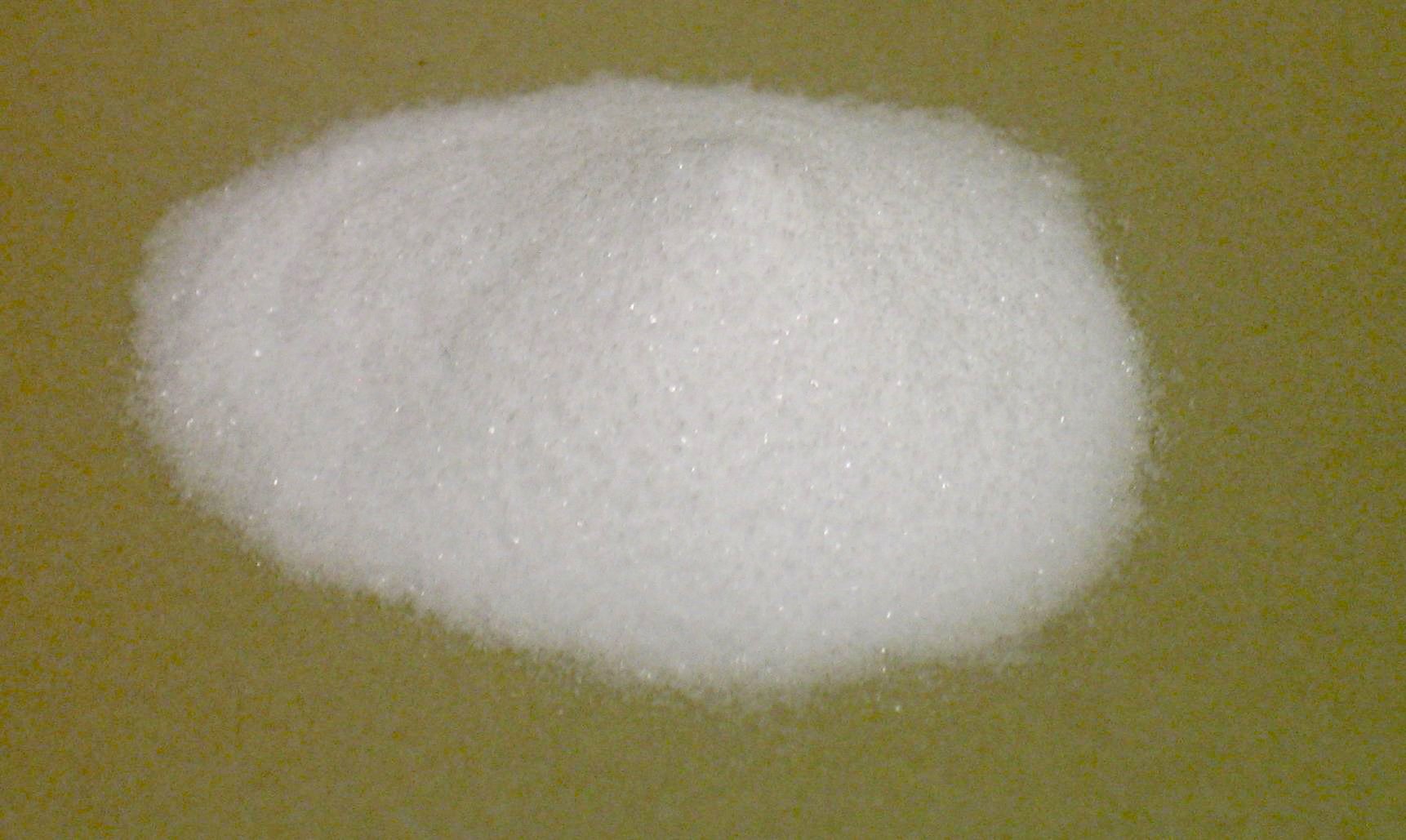
Baking soda — sodium bicarbonate — a natural odour absorber
Natural Absorbers

Natural Odour Absorbers: Baking Soda, Lavender and Cedar

Several common household materials neutralise odours through chemistry or aromatic properties. Baking soda, lavender sachets and cedar blocks each behave differently depending on the odour type.

Updated May 2026
Read article →

Why Odour Control Matters in Sealed Canadian Homes

Tight Building Envelopes
Modern Canadian building codes, particularly since the 2015 National Building Code updates, require increasingly airtight construction. While this improves energy efficiency, it reduces natural infiltration that previously diluted indoor pollutants and odours.
Long Heating Seasons
In provinces such as Manitoba, Saskatchewan and northern Ontario, heating season extends beyond six months. Windows remain closed for extended periods, concentrating cooking odours, pet dander smells and off-gassing from furnishings.
Humidity and Mould Risk
Canadian winters produce sharp indoor-outdoor humidity differentials. Condensation on cold surfaces can encourage mould growth — a secondary odour source that requires both moisture control and ventilation to address properly.
Absence of Chemical Alternatives
Many households prefer to avoid synthetic air fresheners and chemical deodorisers due to health sensitivities or environmental considerations. Passive methods — sorbents, natural materials and mechanical ventilation — do not introduce additional compounds into indoor air.

Send a Message

Use the form below to reach the editorial team with questions or feedback about the content on this site.